Modern homes and commercial buildings depend heavily on HVAC systems to create comfortable and healthy indoor environments. Heating, ventilation, and air conditioning technology has evolved significantly in recent years, offering better airflow control, cleaner air circulation, and improved energy efficiency. As people spend more time indoors, the importance of advanced HVAC systems continues growing, especially for homeowners and businesses focused on wellness, comfort, and long-term energy savings.
Modern HVAC systems play a major role in improving indoor air quality by reducing airborne pollutants, balancing humidity, and supporting proper ventilation. Dust, allergens, bacteria, pet dander, and mold spores can accumulate inside buildings when ventilation systems perform poorly. Contemporary HVAC solutions help filter and circulate cleaner air while creating healthier living and working environments for families, employees, and customers throughout the year.
Smart HVAC Technology Improves Air Circulation
Air circulation is one of the most important factors affecting indoor comfort and respiratory health. Older systems often struggle to distribute air evenly, leading to temperature inconsistencies and stale indoor conditions.
How Smart HVAC Systems Improve Performance
Modern HVAC equipment uses advanced airflow controls, variable-speed motors, and zoning capabilities to maintain consistent temperatures throughout indoor spaces. Improved circulation helps reduce stagnant air while supporting cleaner breathing environments.
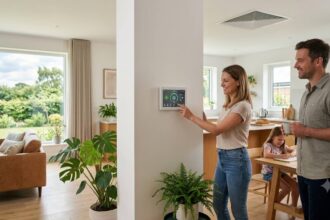
Smart thermostats also help homeowners manage airflow more efficiently by adjusting temperatures automatically based on occupancy, outdoor weather, and energy demand patterns.
Advanced Filtration Systems Reduce Airborne Pollutants
Air filtration technology has become much more effective at capturing harmful particles that circulate indoors. High-efficiency filters can trap dust, pollen, pet dander, smoke particles, and other contaminants before they spread through the building.
Why Filtration Matters
Cleaner air circulation supports healthier indoor spaces by lowering exposure to allergens and irritants that may affect respiratory health. Modern HVAC systems equipped with advanced filtration technology also help protect heating and cooling equipment from excessive dust buildup.
Strong filtration contributes directly to better indoor air quality, especially in homes with pets, allergy sufferers, or high outdoor pollution exposure. Proper filter replacement and routine HVAC maintenance help these systems operate efficiently while improving airflow, comfort, and long-term energy performance.
Benefits of Advanced HVAC Filtration:
- Reduced airborne allergens
- Cleaner indoor airflow
- Improved respiratory comfort
- Lower dust accumulation
- Better HVAC efficiency
- Reduced strain on system components
Consistent filter maintenance supports healthier indoor conditions year-round.
Humidity Control Supports Healthier Living Spaces
Humidity levels strongly affect indoor comfort and air quality. Excess moisture can encourage mold growth, while overly dry air may irritate skin and respiratory systems.
Modern HVAC Humidity Solutions
Contemporary HVAC systems often include integrated humidity control features that help maintain balanced indoor moisture levels. Whole-home dehumidifiers and humidifiers work alongside heating and cooling equipment to improve comfort during seasonal weather changes.
Balanced humidity also helps protect wood flooring, furniture, insulation, and drywall from moisture-related damage.
Ventilation Technology Reduces Indoor Pollutants
Proper ventilation is essential for replacing stale indoor air with cleaner outdoor air. Poor ventilation may allow pollutants, odors, and excess moisture to build up inside enclosed spaces.
Why Ventilation Matters
Energy recovery ventilators and advanced air exchange systems help introduce fresh outdoor air while minimizing energy loss. These systems improve airflow efficiency and reduce indoor pollutant concentration without overworking heating or cooling equipment.
Modern ventilation technology is especially important in energy-efficient buildings that remain tightly sealed throughout the year.
Energy Efficiency and Health Often Work Together
Modern HVAC systems are designed to improve both environmental performance and indoor wellness. Energy-efficient equipment often delivers more precise temperature and airflow control while reducing utility costs.
Features That Improve Efficiency and Comfort
Variable-speed compressors, smart thermostats, and zoned climate control systems allow homeowners to customize comfort levels while minimizing wasted energy. Efficient systems also place less strain on components, reducing breakdown risks and improving long-term reliability.
Energy-Efficient HVAC Features Include:
- Smart thermostat integration
- Zoned heating and cooling
- Variable-speed motors
- High-efficiency heat pumps
- Advanced airflow sensors
- Energy recovery ventilation systems
These upgrades support both comfort and operational savings.
HVAC Maintenance Remains Essential
Even advanced HVAC technology requires regular maintenance to perform effectively. Neglected systems can accumulate dust, mold, and airflow restrictions that reduce efficiency and air quality.
Importance of Routine HVAC Service
Professional inspections help identify worn components, clogged filters, refrigerant issues, and airflow problems before they become serious. Seasonal tune-ups also improve system lifespan and reduce emergency repair risks during periods of extreme weather.
Homeowners who prioritize preventative HVAC maintenance often experience better comfort, cleaner air circulation, and lower monthly energy expenses.
Smart Monitoring Systems Improve System Performance
Contemporary HVAC systems increasingly include digital monitoring technology that tracks performance in real time. These systems provide valuable information about airflow, filter condition, humidity, and energy usage.
How Smart Monitoring Helps Homeowners
Automated alerts can notify property owners about maintenance needs, airflow issues, or declining efficiency before major problems occur. Early detection supports better system reliability while helping homeowners avoid costly repairs and indoor comfort disruptions.
Smart monitoring also allows technicians to diagnose issues more accurately during maintenance visits.
HVAC Technology Supports Commercial Indoor Wellness
Businesses, schools, healthcare facilities, and office buildings also benefit from modern HVAC advancements. Indoor air quality directly affects employee productivity, customer satisfaction, and occupant wellness.
Commercial Benefits of Modern HVAC Systems
Cleaner ventilation, humidity management, and stable indoor temperatures help create healthier workspaces while supporting energy efficiency goals. Many commercial buildings now prioritize HVAC upgrades to improve occupant comfort and reduce airborne contaminant exposure.
Conclusion
Contemporary HVAC technology plays a vital role in creating healthier indoor spaces through improved air circulation, filtration, humidity control, and energy efficiency. Modern systems help reduce airborne pollutants, support better respiratory comfort, and maintain consistent indoor temperatures throughout homes and commercial buildings. Regular HVAC maintenance and smart system upgrades further improve performance while lowering energy costs and repair risks. By investing in advanced heating and cooling technology, property owners can enjoy cleaner air, healthier environments, and greater indoor comfort for years to come.