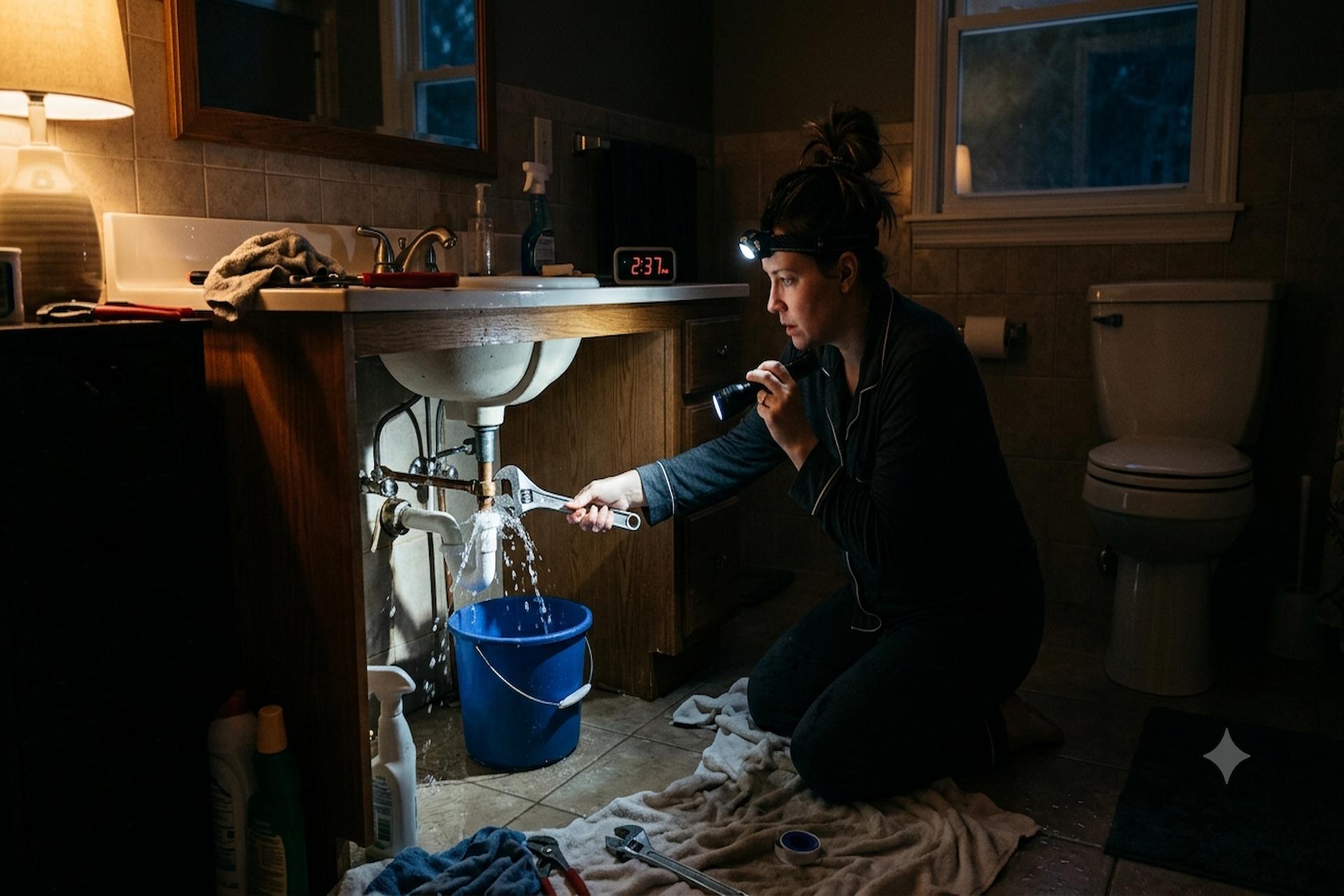
A plumbing emergency rarely happens at a convenient time. A burst pipe, overflowing toilet, or sudden water leak can occur while you’re asleep, leaving you scrambling to prevent damage before morning. In those stressful moments, knowing what to do can make a significant difference in protecting your home and reducing repair costs.
If the situation requires immediate professional help, contacting an emergency plumber Brighton, NY as soon as possible can help limit water damage and restore your plumbing safely. While waiting for assistance, there are several practical steps you can take to keep the situation under control.
Stay Calm and Assess the Situation
Your first reaction may be panic, especially if water is spreading across the floor. Instead, take a moment to identify where the problem is coming from.
Ask yourself a few questions:
- Is water actively flowing?
- Is the leak coming from a pipe, appliance, or fixture?
- Is there any risk of electrical hazards?
- Can the problem be safely contained?
Understanding the source of the issue helps you decide your next steps and gives useful information to the plumber when you call.
Shut Off the Water Supply
One of the most important things you can do during any plumbing emergency is stop the water flow.
For isolated problems, such as a leaking toilet or sink, you may be able to use the fixture’s shut-off valve located underneath or behind it.
If you cannot find the source quickly or the leak is severe, turn off your home’s main water supply. Every homeowner should know where this valve is located before an emergency occurs.
Stopping the water promptly can prevent thousands of dollars in water damage.
Turn Off Electricity if Necessary
Water and electricity are a dangerous combination.
If flooding reaches electrical outlets, appliances, or your breaker panel, avoid entering the affected area. If it is safe to do so, shut off power to the impacted section of the home.
Never stand in standing water while attempting to operate electrical switches or breakers.
If you are unsure whether the area is safe, wait for emergency professionals.
Minimize Water Damage
Once the water supply has been turned off, focus on protecting your home.
Simple actions can help reduce damage while waiting for repairs:
- Mop up standing water.
- Use towels to absorb moisture.
- Place buckets under active leaks.
- Move furniture, rugs, and electronics away from wet areas.
- Open windows or use fans if weather permits.
The faster you remove excess water, the lower the chance of mold growth and structural damage.
Avoid DIY Repairs for Major Problems
It may be tempting to fix the issue yourself in the middle of the night, but temporary repairs are often the safest option.
For example, plumber’s tape or a pipe repair clamp may help slow a small leak until professional help arrives. However, attempting to repair burst pipes, water heaters, sewer backups, or major leaks without proper tools can make the situation worse.
Unless you have experience with plumbing repairs, avoid dismantling pipes or fixtures during an emergency.
Watch for Signs of Serious Plumbing Emergencies
Some plumbing issues can safely wait until morning, while others require immediate attention.
Call for emergency service if you notice:
- Burst or cracked pipes
- Major water leaks that cannot be stopped
- Sewage backing up into sinks, tubs, or toilets
- No running water throughout the house
- A leaking water heater
- Frozen pipes that have burst
- Overflowing toilets that continue after shutting off the valve
Ignoring these issues can lead to extensive property damage and expensive repairs.
Protect Your Belongings
Water can quickly damage flooring, furniture, personal belongings, and important documents.
If it is safe to do so:
- Move valuables to a dry area.
- Lift furniture off wet flooring.
- Remove electronics from affected rooms.
- Store important paperwork away from moisture.
Taking these precautions can reduce replacement costs and make cleanup easier later.
Document the Damage
If the plumbing emergency causes significant property damage, take photos and videos before cleanup whenever possible.
Document:
- Water on floors
- Damaged walls or ceilings
- Broken fixtures
- Damaged belongings
These records may be useful if you need to file a homeowner’s insurance claim.
Know What Not to Flush or Drain
During plumbing emergencies involving backups or clogged drains, avoid using sinks, toilets, washing machines, or dishwashers until the problem has been addressed.
Continuing to use the plumbing system can increase pressure and worsen flooding or sewage backups.
If multiple drains are backing up simultaneously, this may indicate a problem with the main sewer line rather than an individual fixture.
Prepare Before an Emergency Happens
The best way to reduce stress during a nighttime plumbing emergency is preparation.
Every homeowner should:
- Know the location of the main water shut-off valve.
- Keep a flashlight in an accessible place.
- Store basic cleanup supplies like towels and buckets.
- Learn where fixture shut-off valves are located.
- Keep emergency plumbing contact information readily available.
A few minutes of preparation today can save valuable time when every second counts.
Prevent Future Plumbing Emergencies
Although not every emergency can be avoided, regular maintenance lowers the risk.
Good habits include:
- Inspecting visible pipes for corrosion or leaks.
- Replacing aging plumbing fixtures before they fail.
- Avoiding grease, wipes, and food scraps in drains.
- Insulating exposed pipes before freezing temperatures.
- Scheduling routine plumbing inspections for older homes.
Preventive maintenance often costs far less than repairing water damage after an unexpected failure.
Final Thoughts
A late-night plumbing emergency can be overwhelming, but having a clear action plan helps you respond with confidence. From shutting off the main water supply and protecting your property to recognizing when immediate professional plumbing services are needed, every step plays an important role in limiting water damage and avoiding more expensive repairs. Preparing in advance by learning your home’s plumbing system and keeping emergency contact information readily available can also save valuable time when every minute counts.
While some minor plumbing issues can wait until morning, serious leaks, burst pipes, sewer backups, and flooding require prompt attention. By staying prepared and acting quickly, homeowners can protect their property, reduce repair costs, and handle unexpected plumbing emergencies more effectively.