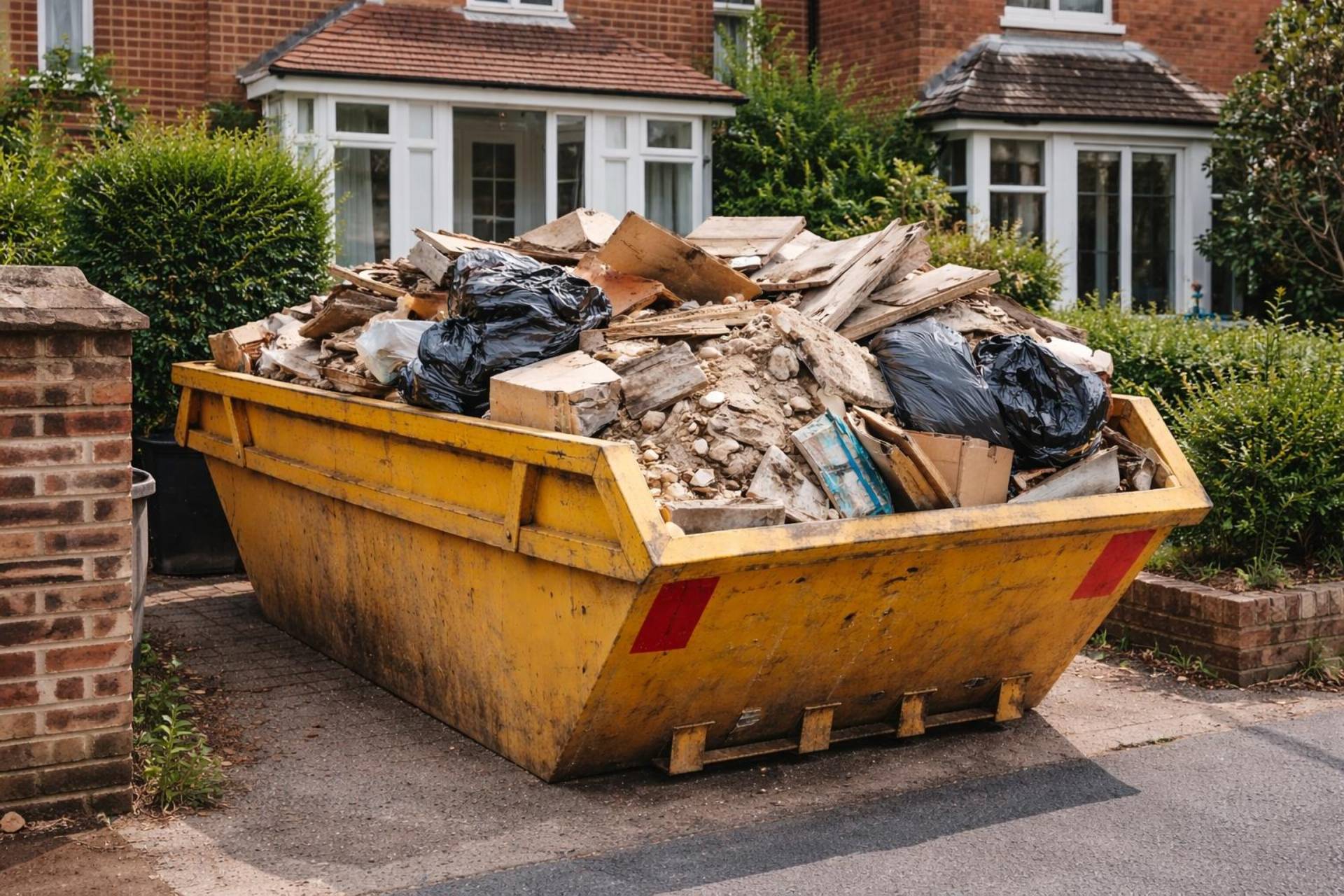
Renovating a home can create a surprising amount of waste, from old flooring and broken tiles to timber, packaging and unwanted fittings. Without a clear waste management plan, rubbish can quickly take over working areas, create safety risks and slow down the project. Planning how materials will be sorted, stored and removed makes the renovation easier to manage.
Before work begins, estimate the type and volume of waste each stage is likely to produce. Homeowners considering skip hire Berkshire can compare suitable skip sizes, collection arrangements and restrictions before demolition starts. Organising waste removal early also reduces the risk of having piles of debris blocking access to the property or taking up valuable working space.
Plan Waste Removal Before Starting Work
A renovation schedule should include waste management alongside building work, deliveries and tradespeople. Consider which rooms will be renovated first, what materials will be removed and where waste can be stored safely. This makes it easier to decide whether you need a skip, several smaller collections or separate disposal arrangements for particular materials.
When comparing skip hire Berkshire, check what materials the provider accepts and whether certain items require separate disposal. You should also consider where the skip will be placed and whether permission may be required if it needs to sit on a public road. Making these arrangements in advance can prevent unnecessary delays once work starts.
Separate Different Types of Renovation Waste
Sorting waste as it is produced can make the site easier to manage and may increase the amount of material that can be recycled. Instead of putting everything into one pile, create clearly defined areas or containers for common waste types.
- Separate timber, metal, cardboard and recyclable packaging.
- Keep soil, rubble and bricks away from general household rubbish.
- Store reusable fixtures and fittings somewhere clean and dry.
- Keep restricted or hazardous materials separate from ordinary building waste.
Reuse Materials Where Possible
Not everything removed during a renovation needs to be thrown away. Doors, cabinets, sanitary fittings, timber, bricks and tiles may still have practical value if they remain in usable condition. Some materials can be reused elsewhere in the property, while others may be suitable for donation, resale or collection by specialist reuse organisations.
Deciding what can be saved before demolition begins is usually easier than trying to rescue items afterwards. Remove reusable materials carefully and store them away from dust, moisture and heavy building activity. This approach can reduce waste while helping homeowners make better use of materials they have already paid for.
Handle Special Waste Carefully
Certain renovation materials should not be placed in normal household rubbish or mixed casually with building debris. Paints, chemicals, electrical equipment, batteries and some insulation products may require specific disposal methods. Older properties may also contain materials that need professional assessment before removal.
If you are unsure about a particular product, check local authority guidance or ask a licensed waste contractor before disposing of it. Never assume that every construction material can go into the same container. Correct handling helps protect workers, household members and the environment while reducing the risk of improper disposal.
Keep Waste Areas Safe and Organised
A tidy renovation site is generally easier and safer to work in. Waste should be moved away from main walkways, entrances and areas used by tradespeople. Sharp, heavy or unstable materials require particular care because they can cause injury if left in unsuitable places.
- Remove loose debris from floors regularly.
- Keep sharp objects contained rather than exposed.
- Avoid creating unstable piles of heavy materials.
- Keep children and pets away from waste storage areas.
- Maintain clear access for workers and waste collection vehicles.
Avoid Overfilling Waste Containers
It can be tempting to fit as much waste as possible into a skip or container, but overfilling can create transport and safety problems. Waste should remain within the permitted fill level, and heavy materials should be distributed carefully rather than piled unevenly on one side.
It is also useful to understand weight restrictions before loading dense materials such as soil, bricks and concrete. Choosing an appropriate container for the type of waste can prevent additional handling later. If the project is expected to produce large quantities of heavy debris, discuss this with the waste provider before ordering.
Arrange Collections Around Your Renovation Schedule
Waste collection should match the different stages of the renovation. Demolition may produce large amounts of material quickly, while decorating and finishing work usually creates lighter packaging and smaller quantities of rubbish. Scheduling removal at suitable points keeps the site clear without arranging unnecessary collections.
Regularly review how much waste remains on site as the project progresses. If a container is nearly full, organise its removal before the next major stage begins. Good timing prevents waste from becoming an obstacle and gives builders, decorators and other tradespeople enough room to work efficiently.
Final Thoughts
Managing household waste effectively can make a renovation safer, cleaner and more organised. Planning disposal before work starts, sorting different materials, reusing suitable items and handling restricted waste correctly can prevent unnecessary disruption throughout the project.
The key is to treat waste management as part of the renovation plan rather than something to deal with afterwards. With suitable storage, timely collections and careful sorting, homeowners can keep their property manageable while helping renovation work move forward smoothly.