Regular HVAC and plumbing inspections keep your home comfortable, efficient, and free from costly surprises. In Tucson’s extreme climate, dust and hard water demand proactive care. Learn the ideal schedule, key signs to watch, and simple steps that protect your systems year-round so you avoid emergencies and enjoy reliable performance.
Home comfort depends on systems that work quietly in the background—until they don’t. In a place like Tucson, where summer heat pushes air conditioners to their limits and hard water stresses pipes and water heaters, waiting for a breakdown is a risky strategy. Scheduling regular inspections for both HVAC and plumbing is one of the smartest ways to catch small issues early, improve efficiency, and extend equipment life. Professional Tucson HVAC and plumbing services make this process straightforward by combining both trades under one reliable team. This guide breaks down recommended frequencies, what technicians look for, and practical tips you can act on right away.
Recommended Inspection Schedules for HVAC Systems
Most manufacturers and industry experts recommend a professional HVAC inspection at least once a year. For Tucson homes, twice a year is often better—once in spring before the heavy cooling season and once in fall before cooler nights arrive.
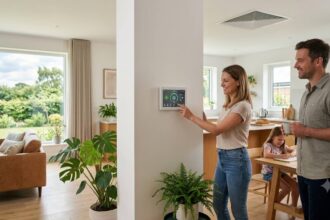
An annual or bi-annual visit typically includes checking refrigerant levels, cleaning coils, inspecting electrical connections, testing thermostat accuracy, and examining filters and ductwork. Monsoon dust can quickly clog components, so extra attention to airflow and indoor air quality pays off.
If your system is more than ten years old, runs frequently, or has shown rising energy bills, move to two inspections per year. Homes with pets or high occupancy may also benefit from more frequent filter checks between professional visits.
- Spring inspection: Focus on cooling readiness and dust removal.
- Fall inspection: Verify heating performance and overall system balance.
These visits help maintain efficiency and reduce the chance of mid-summer failures when demand is highest.
Plumbing Inspection Timing and Key Focus Areas
Plumbing inspections should occur at least once every one to two years for most homes. Tucson’s hard water accelerates scale buildup in water heaters, fixtures, and pipes, so annual checks are ideal for older systems or homes that have never been inspected.
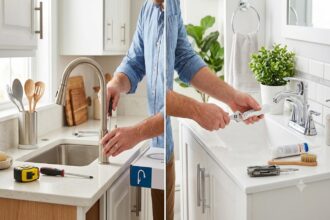
Technicians typically examine visible pipes for leaks or corrosion, test water pressure, inspect the water heater for sediment and anode rod condition, and check drains for slow flow or blockages. They may also look at shut-off valves and under-sink areas for early signs of moisture.
Water heaters deserve special attention. Tank-style units often need flushing and inspection yearly, while tankless models benefit from descaling based on usage and water hardness. If you notice fluctuating water temperature, low pressure, or unexplained damp spots, schedule a visit sooner rather than later.
Regular plumbing care prevents small drips from becoming major water damage and keeps fixtures lasting longer under local water conditions.
Why Combined HVAC and Plumbing Care Matters
Treating HVAC and plumbing as separate concerns can leave gaps. Dust that settles in ducts can affect indoor air, while scale from hard water reduces water heater efficiency and can stress related systems. A coordinated approach—such as the maintenance plans offered through local providers—covers both sides of home comfort in fewer visits.
Expert technicians familiar with Tucson conditions watch for monsoon-related dust buildup during HVAC tune-ups and hard-water effects during plumbing checks. This dual focus often appears in membership programs that schedule multiple visits each year, giving homeowners consistent oversight without the need to coordinate two different companies.
When you work with professionals who handle both trades, you gain clearer recommendations and better long-term planning for your entire home.
Practical Tips to Maximize Inspection Benefits
Between professional visits, simple habits keep systems healthier. Change HVAC filters every one to three months depending on usage and outdoor conditions. Keep outdoor condenser units clear of debris and vegetation. For plumbing, watch for drips, listen for unusual water heater noises, and avoid pouring grease or harsh chemicals down drains.
Note any changes in energy bills, water pressure, or system noise and share them during the next inspection. These observations help technicians target potential problems faster.
Choosing a local team experienced with desert dust and hard water ensures the inspection addresses the specific challenges your home faces. Professional Tucson HVAC and plumbing services bring that regional knowledge to every visit, turning routine checks into effective preventive care.
FAQs
How often should HVAC systems be inspected in hot climates?
Most homes benefit from annual inspections, with bi-annual checks recommended in extreme heat areas to prepare for heavy cooling demand and address dust accumulation.
Is yearly plumbing inspection necessary?
Yes for many homes, especially those with hard water or older pipes and water heaters. It helps prevent scale, leaks, and unexpected failures.
What does a typical HVAC inspection include?
Technicians check filters, coils, refrigerant, electrical components, thermostat function, and airflow to ensure safe, efficient operation.
Can one company handle both HVAC and plumbing inspections?
Yes. Some local providers specialize in both trades, offering combined maintenance plans for convenience and thorough coverage.
When should I schedule an inspection outside the regular cycle?
Book sooner if you notice rising energy bills, unusual noises, weak airflow, fluctuating water temperature, or any signs of leaks.
Conclusion
Scheduling HVAC inspections once or twice a year and plumbing inspections annually or every other year creates a reliable safety net for your home. In Tucson’s demanding climate, this routine protects against dust-related strain on cooling systems and scale buildup in water lines and heaters. Regular professional attention improves efficiency, catches issues early, and supports longer equipment life.
Combine these visits with basic homeowner habits—filter changes, debris clearing, and prompt reporting of changes—and you reduce emergency calls while maintaining steady comfort. A coordinated approach that covers both HVAC and plumbing delivers the most complete picture of your home’s systems.
Take the next step by planning your next inspection around the seasons that matter most. Consistent care today means fewer surprises tomorrow and a more comfortable, efficient home throughout the year. Trusted Tucson HVAC and plumbing services stand ready to help you stay ahead of potential problems with clear, practical guidance tailored to local conditions.